Agriculture Robotics
Autonomous systems for modern agriculture
Problem: Agricultural operations face labor shortages, seasonal variability, and pressure to improve yield and efficiency.
Solution: We develop autonomous harvesting and smart farming robotics designed for dynamic field conditions.
Outcomes: Increased productivity, better resource utilization, and lower labor dependency.
Built for the field
Engineered for variable farm conditions
Nyschey Robotics applies intelligent automation to agriculture with systems designed for real operating environments, where terrain, crop variation, timing, and throughput all affect performance.
Adaptive perception
Machine vision and sensor integration help robots identify crops, navigate rows, and respond to changing field conditions with greater precision.
Scalable deployment
From targeted harvesting workflows to broader smart farming operations, our platforms are built to support measurable expansion across sites and seasons.
Where agriculture robotics creates value
Our agriculture automation approach focuses on practical deployment, operational resilience, and measurable performance across modern farming environments.
Autonomous harvesting
Robotic harvesting systems designed to improve picking consistency and reduce dependency on seasonal labor.
Crop monitoring
Vision-enabled systems support crop assessment, anomaly detection, and more informed operational decisions.
Resource efficiency
Automation helps optimize labor allocation, field activity timing, and the use of agricultural inputs.
Human-robot workflows
Collaborative deployment models enable robotic systems to support teams without disrupting established operations.
Seasonal scalability
Systems can be aligned to changing production demands, harvest windows, and multi-site agricultural operations.
Data-driven improvement
Operational insights from robotic systems help refine performance, planning, and long-term agricultural strategy.
Operational outcomes
Agriculture robotics should deliver clear value in the field, not just technical promise.
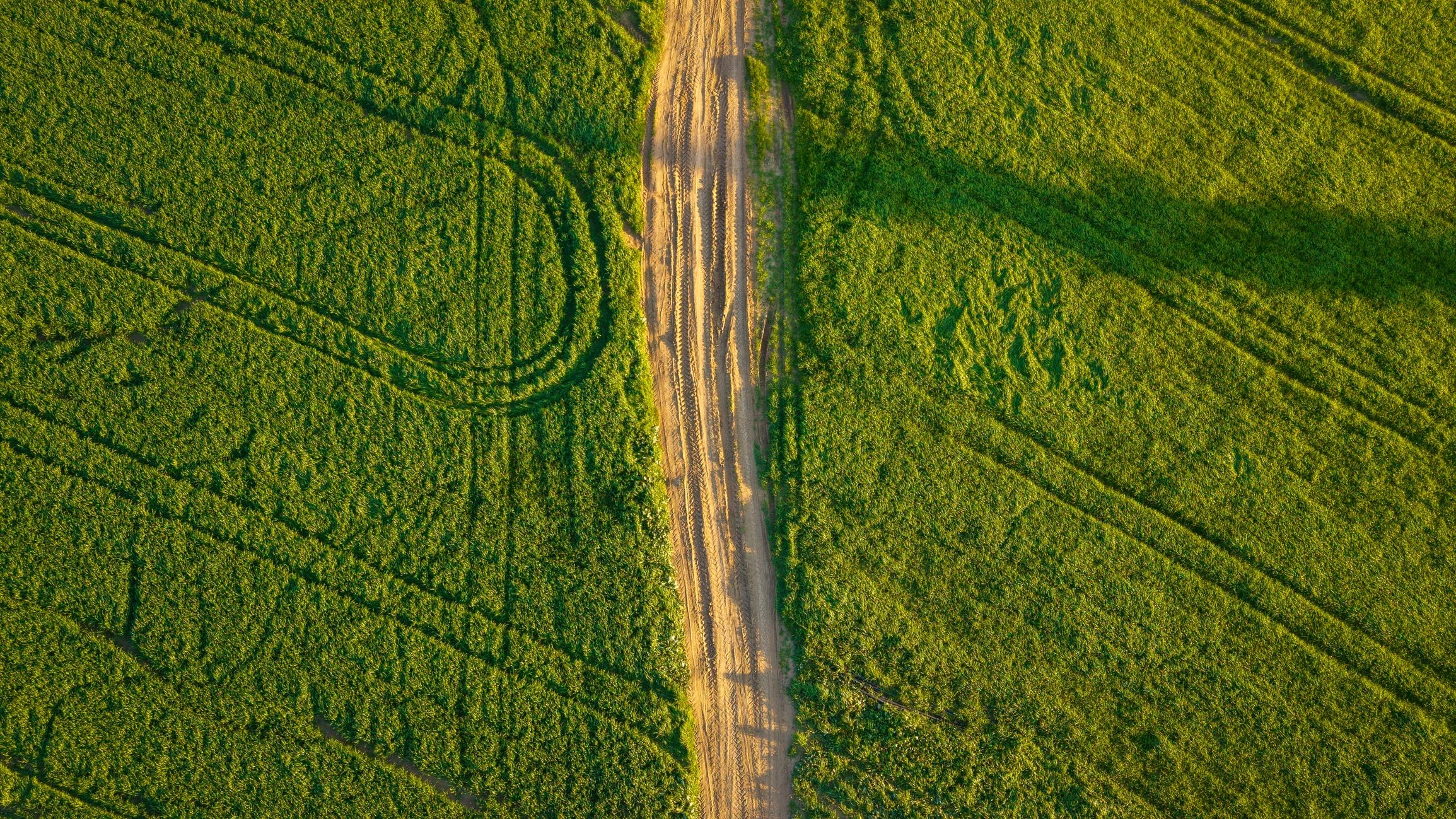
Higher productivity
Increase task throughput during critical harvest and handling windows.
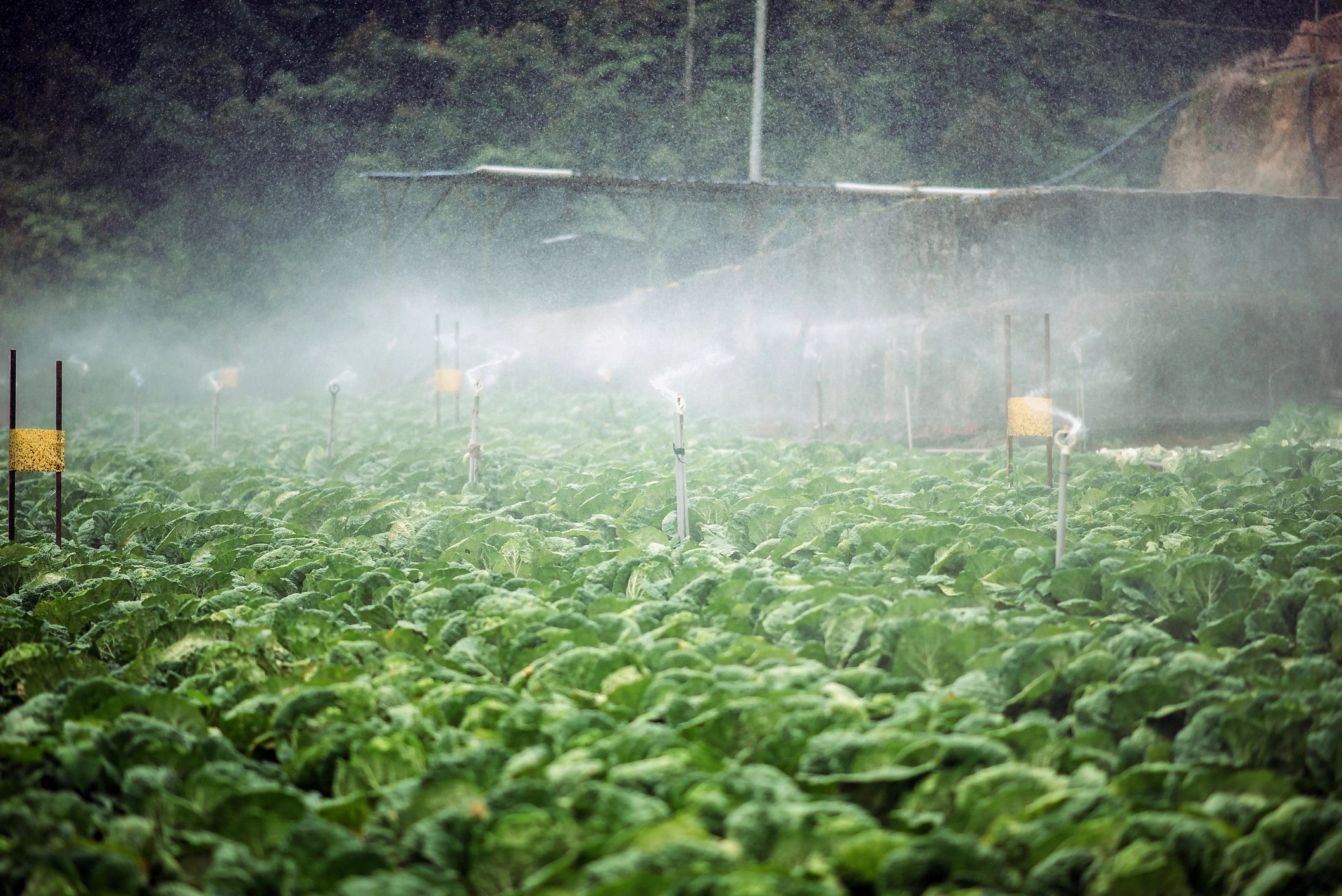
Better utilization
Improve the use of labor, equipment, and field time across operations.
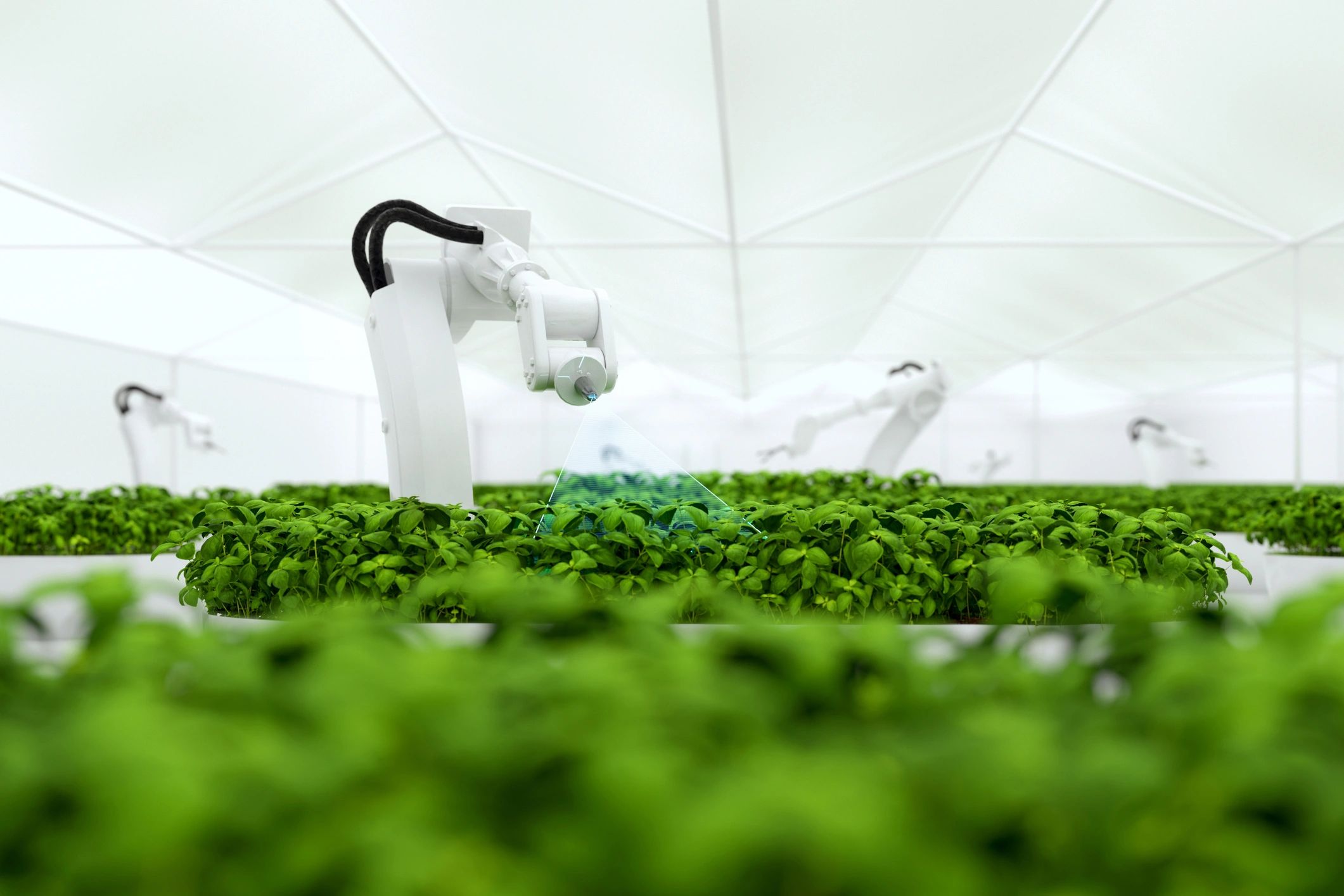
Lower dependency
Reduce exposure to labor shortages and seasonal workforce constraints.
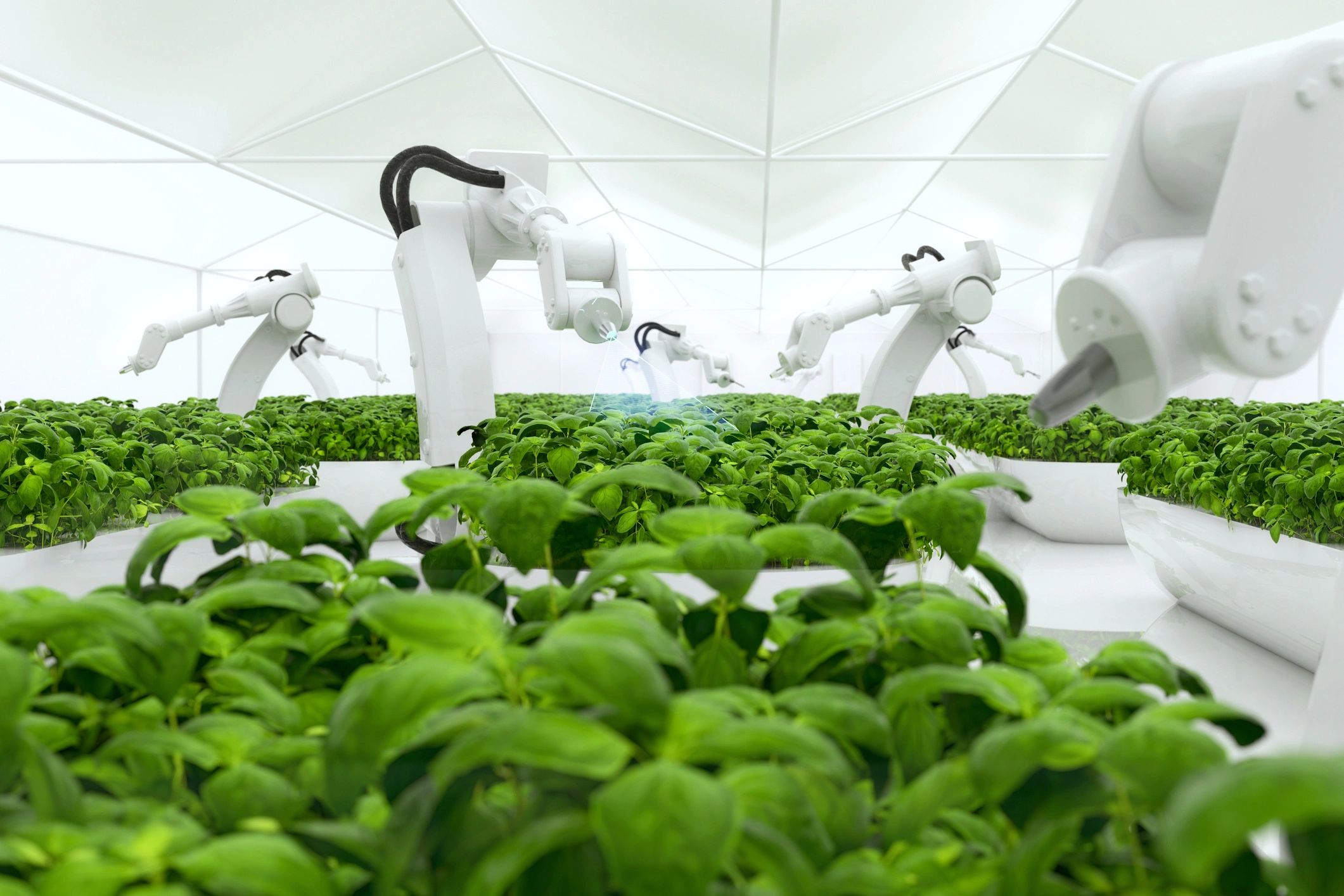
More consistency
Support repeatable performance across variable agricultural workflows.